If you want a neighborhood that feels planned with purpose, but still keeps you connected to the rest of Denver, Central Park deserves a close look. For many buyers, the challenge is finding a place that balances home options, outdoor space, daily convenience, and commute access without feeling disconnected from the city. In this guide, you’ll get a clear look at what Central Park Denver is, how it lives day to day, and what to consider if you are thinking about buying or selling here. Let’s dive in.
Why Central Park Stands Out
Central Park is not just another large neighborhood. It is Denver’s redevelopment of the former Stapleton International Airport, with planning that began after the airport’s last flights in 1995 and redevelopment starting in 2001. The community was renamed from Stapleton to Central Park in 2021.
Today, Central Park spans about 4,700 acres and is widely described as one of the largest infill redevelopments in the United States. It is home to roughly 30,000 to 35,000 residents, which makes it feel more like a thoughtfully designed urban district than a typical subdivision.
That distinction matters when you tour the area. The neighborhood was shaped as a long-term mixed-use civic project, with parks, homes, trails, retail, and gathering spaces intentionally woven together. If you are looking for a place where the layout feels coordinated instead of pieced together over time, that is a big part of the appeal.
Central Park Lifestyle at a Glance
One of the biggest draws in Central Park is how daily life centers around public space. The community includes about 60 parks, around 62 miles of trails, more than 1,100 acres of parks and open space, two dog parks, and seven neighborhood pools. Nearly every home is said to be within a five-minute walk of a park.
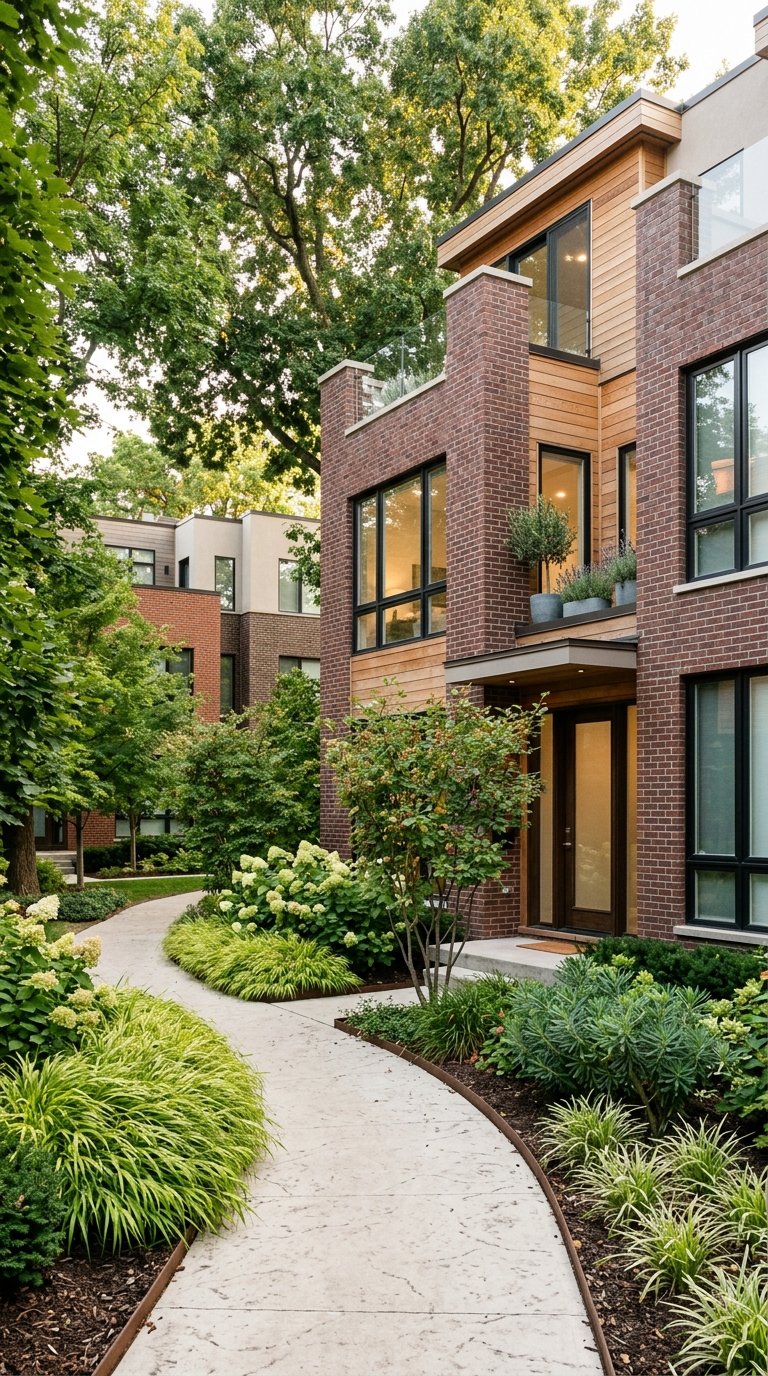
That planning shows up in the way the neighborhood feels on the ground. Homes were designed to face streets, parks, and shared public areas, which helps create a more open and connected streetscape. Tree-lined streets, front porches, and homes oriented toward open space all support that design.
For many buyers, this translates into a lifestyle that is easier to imagine right away. You can picture morning walks, quick trips to a nearby park, or meeting friends at one of the community gathering spaces without needing a long drive to do it.
Homes and Housing Options
Central Park offers a broad mix of housing types, which is one reason it appeals to so many kinds of buyers. You will find single-family homes, townhomes, apartment communities, and condominiums across the neighborhood. That range can make Central Park worth considering whether you want a lower-maintenance setup or more interior and outdoor space.
Its design also reflects New Urbanist planning ideas. Expect features like narrower streets, alley-loaded garages, and homes that engage with the street rather than turning inward. These choices help support walkability and give many blocks a more intentional neighborhood feel.
Central Park is also still evolving. The community is in its final chapter of development, but there are still new homes coming online, including condominium homes, townhomes, and cottage-style single-family homes.
In Northfield, current offerings include Contour townhomes with two- and three-bedroom floor plans, 2.5 baths, optional rooftop decks, and pricing starting in the $600s. For buyers who want newer construction within Denver city limits, that can make Central Park especially attractive.
A Master-Planned Feel That Continues
Even as development continues, Central Park still feels managed as a cohesive place. Denver maintains Central Park Design Guidelines, updated in 2021, which helps explain the consistency many buyers notice as they move through different parts of the neighborhood.
That kind of structure can be appealing if you value design continuity and a strong overall neighborhood identity. It also supports the sense that Central Park was built around a shared long-term vision rather than short-term, lot-by-lot development.
Another important part of that vision is housing integration. Research sources note that affordable homes are woven through the community rather than separated into one isolated section, with 10% of for-sale homes and 20% of for-lease homes priced as affordable housing.
Parks, Trails, and Outdoor Access
If outdoor access is high on your list, Central Park has a strong case to make. The sheer number of parks and trails gives you options for everything from a quick neighborhood walk to a longer weekend outing close to home.
The community is organized into 12 neighborhoods, and different sections offer slightly different rhythms. The north side is closer to the Rocky Mountain Arsenal National Wildlife Refuge and The Shops at Northfield, while the south side is closer to Westerly Creek and Bluff Lake.
That means your routine can vary depending on where you land. One household might walk to shops and errands more often, while another may be more focused on trail access and open-space loops near the southern side of the neighborhood.
Nearby nature is also part of the story. Bluff Lake Nature Center provides an urban wildlife refuge setting, and Rocky Mountain Arsenal National Wildlife Refuge sits just to the northeast of downtown Denver, giving you another outdoor destination close by.
Shopping, Dining, and Community Hubs
Central Park is not just residential. Its town centers play a major role in how the neighborhood functions and feels.
East 29th Avenue Town Center was the first town center and remains a central hub for coffee, food, fitness, and events on the Village Green. Eastbridge adds another mix of local food, drink, and service-oriented businesses, giving residents more than one neighborhood commercial center to use regularly.
The Shops at Northfield bring a larger-scale retail experience with local boutiques, national brands, restaurants, and a movie theater. Just next door, Stanley Marketplace adds another layer, with more than 50 locally owned businesses inside a repurposed historic aviation building.
For buyers comparing Central Park to more purely residential neighborhoods, this mix can be a real advantage. It gives you multiple ways to spend a day close to home, whether you are grabbing coffee, meeting friends, running errands, or planning a casual night out.
Events and Community Rhythm
One reason Central Park often feels active is that events are part of the neighborhood’s structure, not an afterthought. Community programming is centered around places like The South Green in the 29th Avenue Town Center, The North Green in Conservatory Green, and The Cube on Northfield.
Summer programming includes outdoor movies, concerts, and markets. Signature annual events include the Egg Scramble, Summer Markets, Outdoor Theatre Series, Outdoor Movie Series, Outdoor Concert Series, 4th of July Breakfast and Parade, Kids Triathlon, Pumpkin Patch, and Winter Welcome.
For some buyers, that built-in activity is a major plus. It can make a large neighborhood feel more connected and give you more ways to enjoy where you live without constantly leaving the area.
Commuting and Getting Around
Central Park’s location is a big part of its value. Community sources describe it as about 20 minutes from downtown Denver and Denver International Airport, plus about 15 minutes from Cherry Creek, traffic permitting.
That alone makes it appealing for buyers who want city access without living in the center of downtown. You are positioned between major destinations in a way that supports work, travel, and day-to-day flexibility.
Transit is another advantage. Central Park Station at 8200 Smith Road is an RTD rail station and Park-n-Ride with 1,500 parking spaces, bus connections, and access to the A Line.
The A Line provides a direct rail connection between downtown Denver and Denver International Airport. According to DEN, the airport rail runs to Union Station in 37 minutes and operates every 15 minutes, 24 hours a day.
For buyers who travel often or want alternatives to driving, that rail access can be a meaningful differentiator. It gives Central Park a practical commute profile that combines road access with a true airport-to-downtown transit connection.
What to Know About Schools
If school planning is part of your move, Central Park has its own logistics to understand. Denver Public Schools notes that some parts of Denver use enrollment zones instead of single-school boundaries, and Central Park is one of those areas.
That means your decision may involve learning how zone-based enrollment works rather than relying on a simple neighborhood boundary map. The neighborhood also includes public, private, and charter school options, which can add flexibility depending on your needs.
For many buyers, this is worth clarifying early in the process. A clear understanding of school enrollment logistics can help you narrow your home search with more confidence.
Is Central Park Right for You?
Central Park tends to appeal to buyers who want a neighborhood with structure, outdoor access, and strong everyday convenience. It offers a mix of homes, a large park system, multiple retail hubs, and access to both downtown Denver and the airport.
It may be a fit if you want a more master-planned environment with a connected street layout and built-in community spaces. It can also work well if you value having different housing types in one area, from condos and townhomes to detached homes.
If you are selling in Central Park, the neighborhood’s lifestyle story matters. Buyers are often drawn not only to the home itself, but also to the broader package of parks, trails, retail, transit, and community programming.
The key is knowing how to position that story clearly. With a neighborhood this layered, strong local guidance can help you evaluate where a home fits within the larger district and how to make a smart move.
If you are considering a move in Central Park or anywhere in Denver, The Denver Group can help you navigate the market with calm guidance, neighborhood insight, and a strategy built around your goals.
FAQs
What is Central Park in Denver known for?
- Central Park is known for being a large master-planned Denver neighborhood built on the former Stapleton International Airport site, with about 60 parks, 62 miles of trails, mixed housing, retail hubs, and strong access to downtown and Denver International Airport.
What types of homes are available in Central Park Denver?
- Central Park includes single-family homes, townhomes, condominiums, and apartment communities, with some new construction still available as the neighborhood moves through its final development phase.
How close is Central Park Denver to downtown and the airport?
- Central Park is about 20 minutes from downtown Denver and Denver International Airport, traffic permitting, and it also has A Line rail access through Central Park Station.
Does Central Park Denver have parks and trails?
- Yes, Central Park has about 60 parks, roughly 62 miles of trails, more than 1,100 acres of parks and open space, two dog parks, and seven neighborhood pools.
How do school assignments work in Central Park Denver?
- Parts of Central Park fall within a Denver Public Schools enrollment zone, so school placement may involve zone-based enrollment rather than a single assigned neighborhood school boundary.
Is Central Park Denver still being developed?
- Yes, Central Park is in its final chapter of development, and some new condominium homes, townhomes, and cottage-style single-family homes are still being added.