By Luca Baud | Denver Real Estate Expert
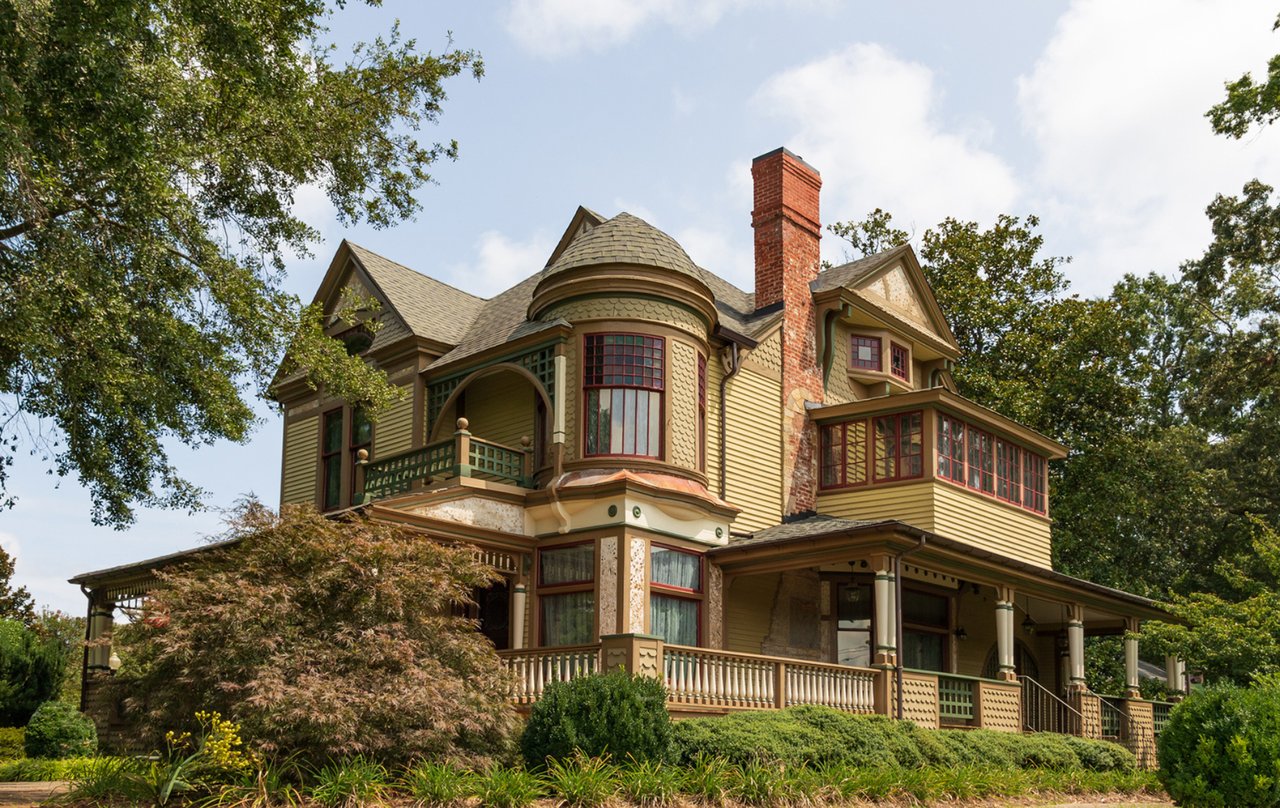
Driving through Denver’s neighborhoods is more than a job requirement—it’s one of the best ways to understand the city. Look closely, and every block becomes a timeline of American residential architecture.
Denver is essentially a living museum. Each home reflects a moment in time: economic cycles, population growth, and evolving ideas of what a “good home” should be.
Inspired by DenverUrbanism’s deep research into more than 128,000 single-family homes, this guide walks through Denver’s architectural evolution—from frontier-era structures to modern infill development.
Denver Homes in the 1870s: The Earliest Surviving Residences
Very few homes from the 1870s still exist in Denver. These properties are rare historical artifacts, built before the city had established infrastructure or consistent architectural styles.
Homes labeled “circa 1875” represent true frontier construction—structures that have survived extreme weather, redevelopment, and more than a century of change.
1880s Denver Homes: Victorian Architecture Takes Hold
Photo: Molly Brown House Museum
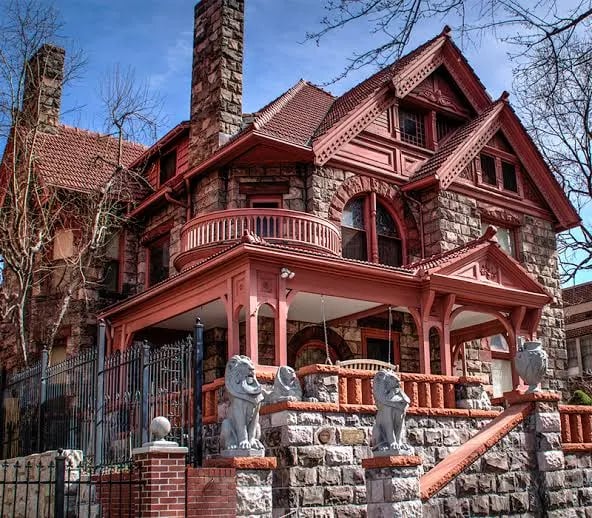
Roughly 2,600 homes from the 1880s remain, showcasing some of Denver’s most distinctive architecture.
Victorian styles dominated, including:
-
Queen Anne
-
Italianate
-
Romanesque
-
Second Empire
Common features include:
-
Mansard roofs
-
Turrets and ornate detailing
-
Brick construction (driven by local materials and fire codes)
You’ll find the highest concentration in Curtis Park, Five Points, and nearby neighborhoods.
1890s Denver Architecture: Growth, Then the Silver Crash
About 5,900 homes from the 1890s survive—making up a large portion of Denver’s 19th-century housing stock.
This decade reflects a boom-and-bust cycle:
-
1890: Over 2,300 building permits issued
-
1894: Just 124 permits after the Silver Crash
Architectural styles began shifting toward:
-
Colonial Revival
-
Neoclassical
-
Dutch Colonial
Neighborhood expansion pushed into areas like Highland, Berkeley, Washington Park, and Congress Park.
1900s: The Birth of Modern Denver Neighborhoods
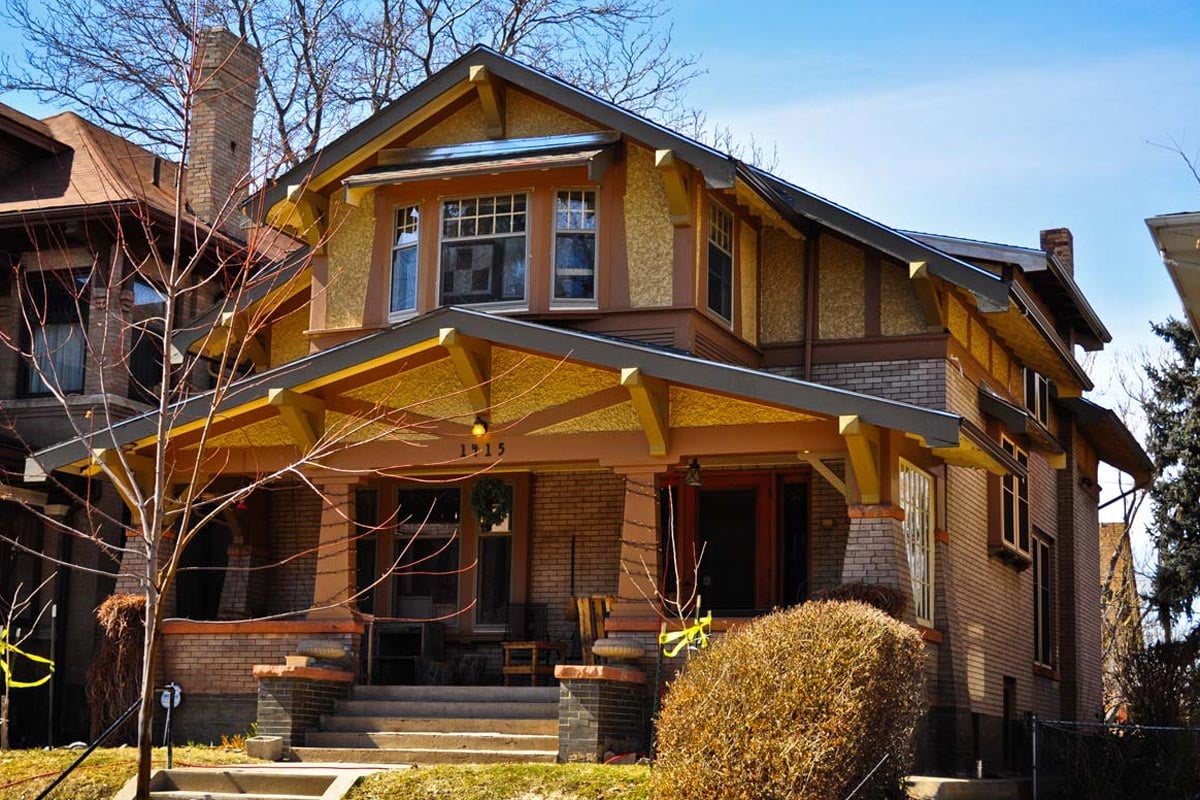
The early 1900s transformed Denver into a unified city and county, while population surged nearly 60%.
Key drivers:
-
Streetcar expansion
-
Transit-oriented development
-
Rapid neighborhood growth
Architecturally, homes became more practical, with early Craftsman and Bungalow styles replacing Victorian ornamentation.
1910s Denver Homes: The Rise of Streetcar Suburbs
Development slowed slightly, but neighborhoods like Park Hill and Washington Park expanded rapidly thanks to transit access.
The defining style:
-
Craftsman Bungalows
These homes emphasized:
-
Functionality
-
Simplicity
-
Livability
Today, they remain some of the most desirable homes in Denver.
1920s: Denver’s Homebuilding Boom
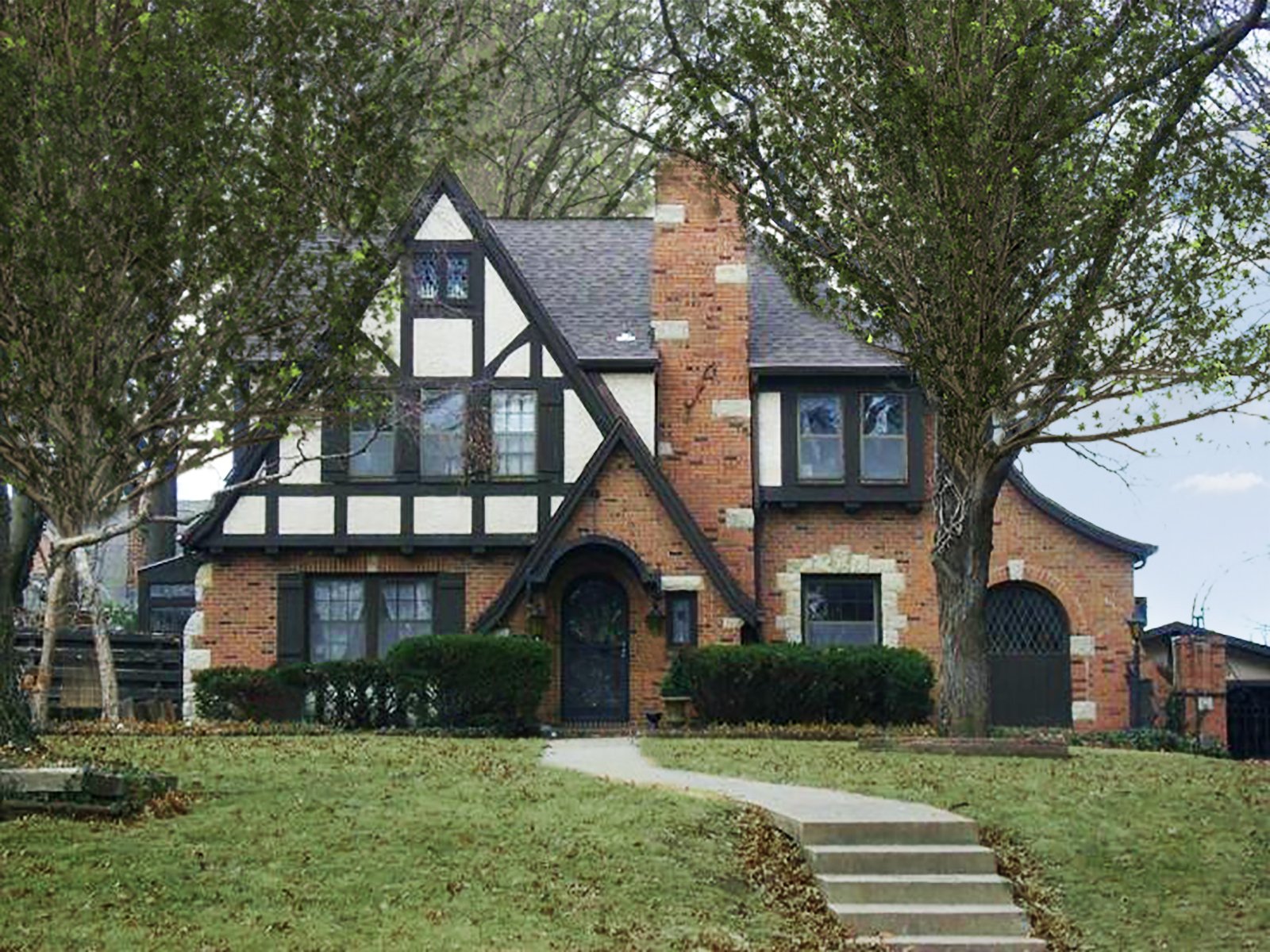
More than 13,000 homes were built during the 1920s.
Popular styles included:
-
Tudor Revival
-
Spanish Colonial
-
Colonial Revival
-
French Eclectic
These homes are especially common in:
-
Park Hill
-
Congress Park
-
Hilltop
This era marked a shift toward larger homes and more distinct neighborhood identities.
1930s: Depression-Era Simplicity
The Great Depression slowed construction significantly, with fewer than 6,000 homes built.
Styles reflected economic restraint:
-
Minimal Traditional
-
Simplified Tudor
These homes prioritized affordability while maintaining classic design elements.
1940s: Post-War Housing Boom Begins
Home construction rebounded sharply, with around 16,000 homes built.
Key trends:
-
Return of economic growth after WWII
-
Demand from returning veterans
-
Expansion of city boundaries
The Minimal Traditional style dominated, bridging older designs and the coming Ranch era.
1950s Denver Homes: The Ranch Era Dominates
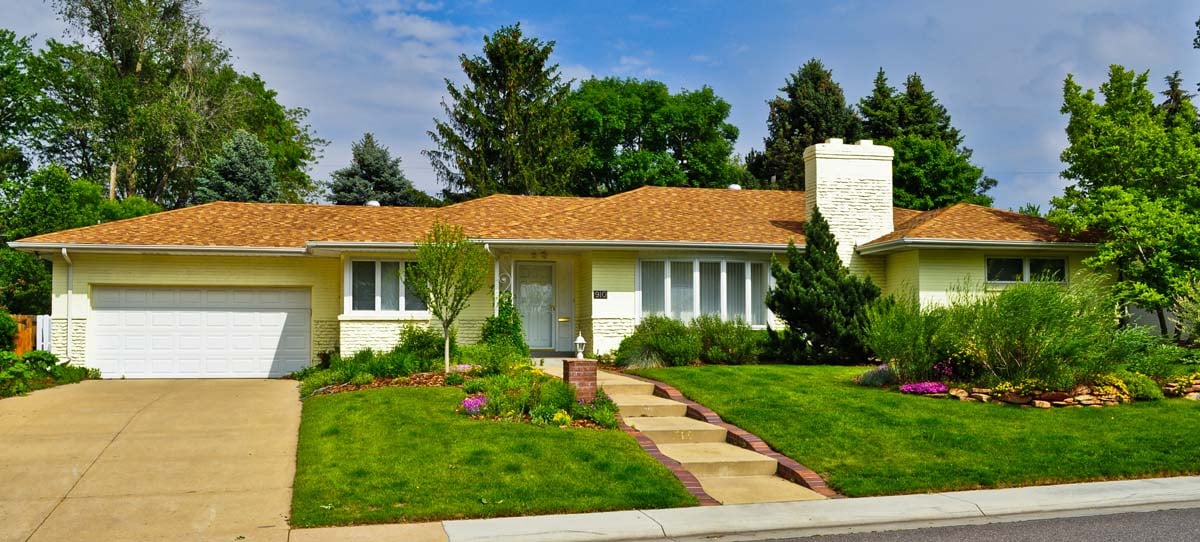
The 1950s were the most influential decade in Denver housing, with over 31,000 homes built.
The Ranch-style home defined the era:
-
Single-story layouts
-
Open floor plans
-
Attached garages
-
Large windows
Entire neighborhoods like Harvey Park, Virginia Village, and University Hills were developed during this time.
1960s: Suburban Expansion and Larger Lots
Construction slowed compared to the 1950s, but Denver expanded significantly in land area.
Homes featured:
-
Larger lots
-
Continued Ranch-style influence
-
Early Neoeclectic designs
Development spread to the city’s outer edges, increasing car dependency.
1970s: Decline and Limited Development
The 1970s marked a downturn:
-
Population decline
-
Reduced construction
-
Urban challenges
Many historic homes fell into disrepair during this period, while new construction remained limited and less architecturally distinct.
1980s: Market Crash and Early Revival
The 1980s saw the lowest homebuilding numbers of the 20th century.
However, this decade also laid the groundwork for Denver’s revival:
-
Historic preservation efforts
-
Infrastructure investment
-
Early redevelopment planning
Neoeclectic suburban homes dominated new construction.
1990s: Denver’s Comeback
The 1990s brought major growth and investment:
-
New stadiums and infrastructure
-
Population surge
-
Revitalized downtown
A key trend emerged:
-
Pop-top renovations (adding second stories to existing homes)
Infill development also began reshaping central neighborhoods.
2000s: Infill Development and Scrape-Offs
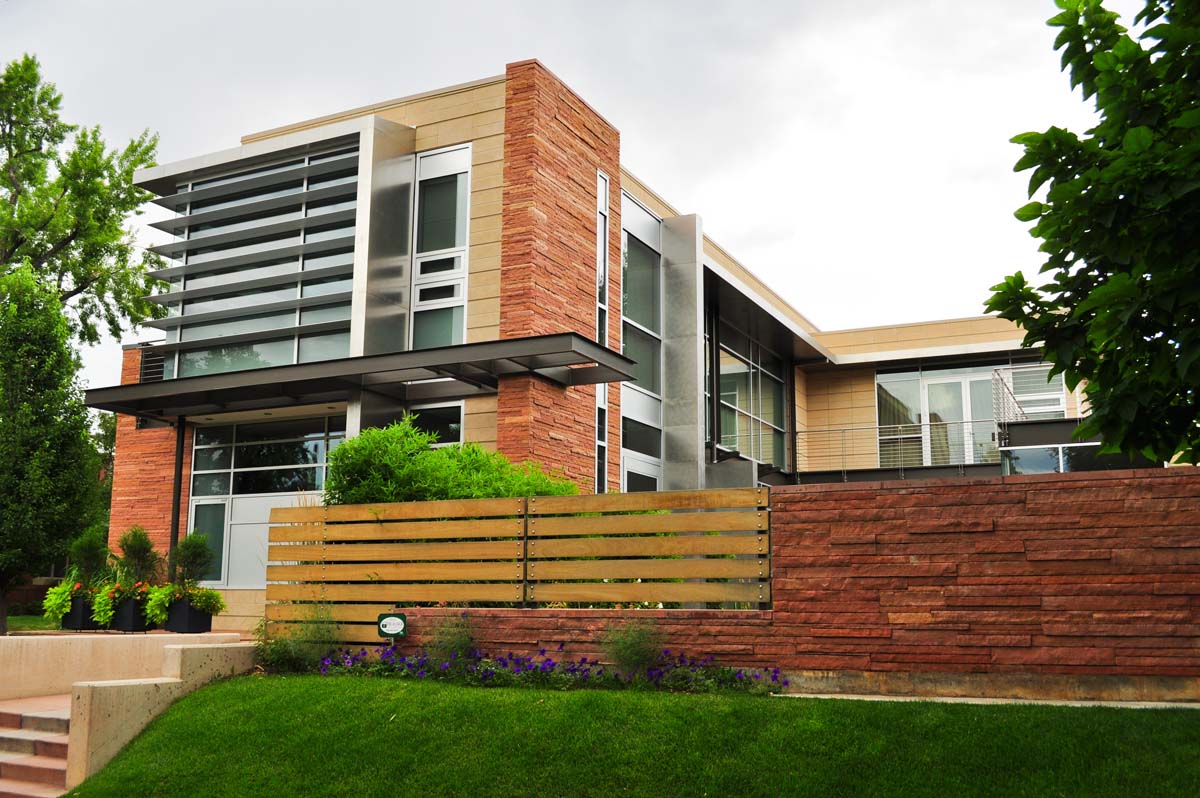
The 2000s introduced large-scale redevelopment within fixed city limits.
Key trends:
-
Scrape-off and rebuild projects
-
Contemporary infill homes
-
Stapleton redevelopment
Modern homes featured:
-
Taller, narrow designs
-
Large windows
-
Minimalist architecture
This era continues to influence Denver’s evolving housing landscape.
What Denver’s Architecture Means for Buyers and Sellers
Understanding Denver’s housing history provides real advantages:
-
Buyers can better evaluate construction quality and design
-
Sellers can position their home within a broader story
-
Investors can identify long-term neighborhood trends
Every home represents a specific moment in Denver’s growth—from Victorian-era craftsmanship to post-war expansion to modern infill.
Work With a Denver Real Estate Expert
Curious what architectural style your home falls into—or what neighborhoods best match your goals?
Let’s connect.

Luca Baud
Denver Realtor | Compass
📍 Denver, CO
📞 720-219-9320
📸 @luca.thedenverrealtor
👉 Explore all Denver neighborhoods
👉 View the full Denver Neighborhood Guide