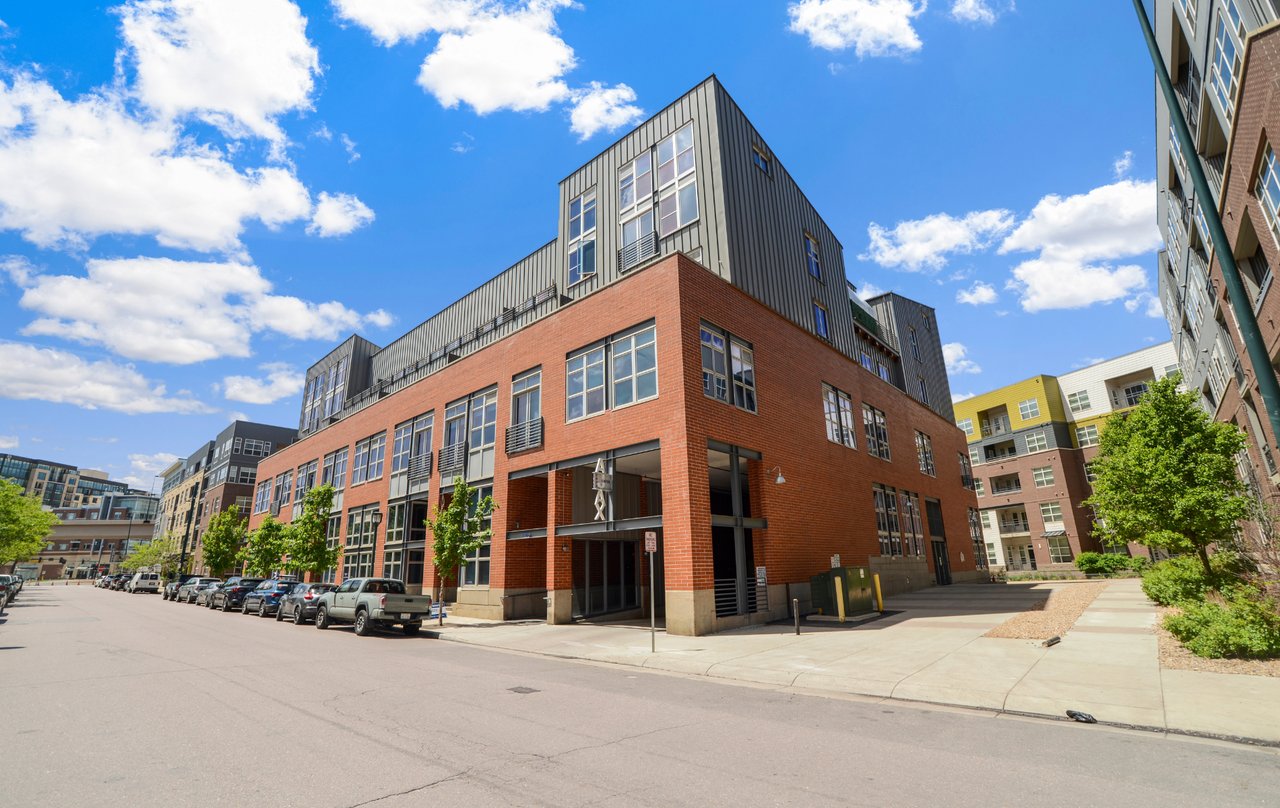
Denver is investing hundreds of millions of dollars into its urban core — including a $175 million renovation of 16th Street and a $570 million Downtown Development Authority (DDA) — but that recovery isn't landing evenly across neighborhoods. Ranked by where they actually stand today, RiNo, LoHi, and Baker are already delivering on the vision. Uptown and Golden Triangle are trending the right direction. Capitol Hill and LoDo have the best long-term upside but the longest timelines.
Why Denver's Recovery Isn't a Single Story
Denver has committed serious money to reviving its urban core: a $175 million renovation of 16th Street, a $570 million downtown development authority, and roughly 1,400 new residential units coming from office-to-residential conversions. Those are real, funded commitments — not just talking points.
But real estate decisions live at the neighborhood level, not the city level. Some Denver neighborhoods are already delivering everything the recovery promised. Others are headed there but need more time. And a couple genuinely aren't there yet, even though the underlying investment case is sound.
Below is a tier-by-tier breakdown of seven Denver neighborhoods, ranked by where they actually stand right now — not by marketing copy or neighborhood association websites.
Tier 1: Neighborhoods Already Living the Vision
These three neighborhoods aren't "five years out." They're delivering today.
RiNo (River North Art District)
RiNo is the clearest proof that Denver's redevelopment vision works when execution actually lands. Independent restaurants, breweries, coffee roasters, gallery spaces, and creative office space have replaced industrial warehouses with places that have real character — think Great Divide Brewing Company, Ratio Beerworks, The Source Market Hall, and Zeppelin Station. This isn't corporate chain space. Walkability is genuine, the art scene is genuine, and the residential pipeline keeps growing. If someone asked for one neighborhood that proves Denver's vision works, RiNo is the answer.
LoHi (Lower Highlands)
LoHi is where Denver's urban lifestyle already exists, fully formed. It has one of the best restaurant corridors in the city along 32nd Avenue — Linger, Avanti, Root Down, and Little Man Ice Cream all draw visitors from across the metro. Housing stock blends renovated Victorian homes with newer condo and townhome development that has absorbed demand well, and the pedestrian bridge gives residents downtown access in minutes without actually living downtown. LoHi has already arrived, and continues to appreciate because of it.
Baker
Baker is the most underrated neighborhood for people relocating to Denver. It gets less attention than RiNo or LoHi, but it has something both of those are still building: genuine, unmanufactured authenticity. South Broadway is one of the more interesting commercial corridors in the city — eclectic, locally owned, and not yet dominated by the same national chains found everywhere else. The housing stock (Craftsman bungalows, Victorians, brick cottages) gives it character new infill can't replicate, and it's priced more accessibly than LoHi while offering a comparable lifestyle. For a buyer who wants urban density without LoHi's price tag, Baker is the first conversation worth having.
Tier 2: Right Direction, Longer Horizon
These two neighborhoods have a sound thesis — they just need more time for the surrounding investment to fully mature.
Uptown
Uptown sits just northeast of downtown, directly in the path of recovery spillover. The 17th Avenue restaurant row is one of the better dining corridors in the city, and the housing mix of older apartment buildings and newer condo development has been absorbing overflow demand from Capitol Hill and downtown buyers who want density with more value. Proximity to Denver Health, St. Joseph Hospital, and the Anschutz Medical Campus makes it a legitimate option for healthcare workers. What Uptown needs is the 16th Street corridor improvements to its west to come fully online — once that happens, its connectivity story gets significantly stronger.
Golden Triangle
Golden Triangle is Denver's arts district anchor, home to the Denver Art Museum, the Clyfford Still Museum, and the History Colorado Center. Its residential base has been slower to build than other neighborhoods, but DDA office-to-residential conversion funding is actively targeting this area — more people living here is the unlock. Amenity infrastructure is already strong, walkability to downtown and Capitol Hill is real, and pricing is relatively accessible compared to LoHi. The next three years matter more here than the last three.
Tier 3: Real Assets, Real Challenges
These neighborhoods have strong bones and real long-term upside, but honest advice means not glossing over what's holding them back today.
Capitol Hill
Capitol Hill arguably has the best architectural bones of any neighborhood in Denver — Victorian mansions, historic apartment buildings, tree-lined streets, and Cheesman Park, one of the best urban parks in the city. Walkability scores are high, and cultural density (music venues, coffee shops, independent retail) is real. But Capitol Hill has also had persistent quality-of-life challenges tied directly to broader downtown recovery issues: homelessness concentration, property crime rates above the city average, and blocks that feel inconsistent compared to the ones right next to them. This isn't a neighborhood to write off — it's a five-year recovery story that tracks with the broader downtown investment timeline. But it hasn't arrived yet.
LoDo (Lower Downtown)
LoDo has the highest upside of any neighborhood on this list — and the longest timeline. It's the literal epicenter of the downtown recovery bets: the 16th Street renovation ends there, DDA residential conversions are happening on its doorstep, and the Ballpark district redevelopment sits at its western edge. When those investments fully deliver, LoDo is positioned to be something genuinely special — but that's a five-to-ten-year story. Right now, the blocks around Larimer Square and Union Station are already strong, with excellent bars, restaurants, and the best transit access in the city. A few blocks in the wrong direction, though, and you're in parts of downtown that haven't come back yet. For an investor with a long time horizon and specific building selection, LoDo can be compelling. For someone who needs a fully-baked neighborhood today, it isn't there yet.
Frequently Asked Questions
What are the best Denver neighborhoods right now for urban living? RiNo, LoHi, and Baker are the three Denver neighborhoods currently delivering the most on the city's urban recovery promise — each already has walkability, dining, and housing demand fully established.
Which Denver neighborhood is the most underrated? Baker is the most underrated neighborhood for relocators. It offers a comparable urban lifestyle to LoHi with more authentic, locally-owned character along South Broadway — at a more accessible price point.
Is Capitol Hill a good investment right now? Capitol Hill has some of the best architecture and park access in Denver, but it also faces above-average property crime and visible homelessness concentration tied to the broader downtown recovery. It's best understood as a five-year recovery story, not a neighborhood that has already arrived.
Is LoDo (Lower Downtown) a good place to buy in 2026? LoDo has the highest long-term upside of any Denver neighborhood tied to downtown investment, but it's also a five-to-ten-year timeline. The blocks around Larimer Square and Union Station are already strong; other parts of downtown have not yet recovered. It suits investors with a longer horizon more than buyers who need an immediately finished neighborhood.
What is driving Denver's downtown recovery? Denver's downtown recovery is anchored by a $175 million renovation of 16th Street, a $570 million Downtown Development Authority, and roughly 1,400 new residential units coming from office-to-residential conversions across downtown.
Visit our website for more frequently asked questions.
👉 Schedule a consultation with The Denver Group
👉 Explore Denver neighborhoods
👉 View the Denver Neighborhood Guide
This breakdown is part of an ongoing series tracking Denver's downtown recovery bets and how they're playing out neighborhood by neighborhood. Follow along for the next installment, where we look at what's next for Denver's future.
Published by The Denver Deal | thedenverdeal.com | Real estate coverage by The Denver Group | denvergroupre.com