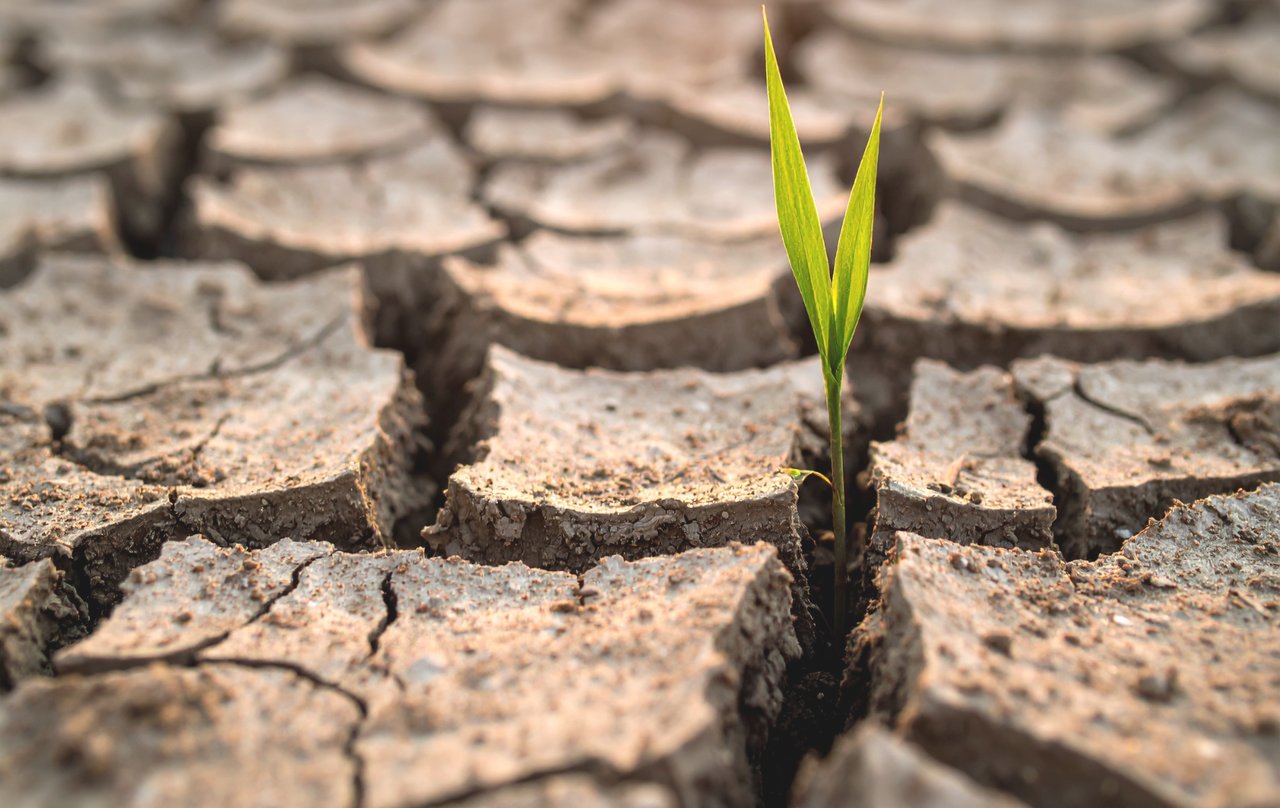
Colorado is no stranger to dry cycles—but 2026 is shaping up to be one of the more serious drought years in recent memory. With historically low snowpack and worsening conditions across the state, Denver has officially entered a Stage 1 drought, prompting new water restrictions and a renewed call for conservation.
Here’s what’s happening, why it matters, and how Denver residents can respond.
Watch More on Instagram:
- Watering Rules and Tips
- More about Colorado snowpack, fire restrictions, and more
- Data centers and water usage
Why Colorado Is Facing a Severe Drought
Snowpack in the Rocky Mountains acts as Colorado’s natural reservoir, slowly melting and supplying water throughout the spring and summer. This year, that system didn’t deliver.
Lower-than-average snowfall combined with warmer temperatures has reduced runoff into rivers and reservoirs. As a result, water providers—including Denver Water—are taking proactive steps to preserve supply before conditions worsen.
While drought cycles are common in Colorado, current conditions are among the most severe seen in years, making early conservation critical.
Denver’s Stage 1 Water Restrictions (2026)
To help stabilize water usage, the Denver Board of Water Commissioners has implemented mandatory restrictions for residents and businesses.
Key Rules to Know:
- No automatic irrigation (for now): Keep sprinkler systems OFF until at least mid- to late-May
- Two-day watering schedule: Once allowed, outdoor watering will be limited to 2 days per week, based on your address
- Time restrictions: Watering is only permitted between 6:00 PM and 10:00 AM
- No waste: Avoid runoff, fix leaks, and don’t water during rain or high wind
Additionally, Denver residents are being asked to reduce overall water usage by 20% this year.
What This Means for Homeowners
If you own a home in Denver, these restrictions may require some adjustments—but they also present an opportunity to rethink how you use water long-term.
Short-Term Impacts:
- Brown lawns may become more common during peak summer months
- Landscaping routines will need to follow stricter schedules
- Increased awareness around water usage indoors and outdoors
Long-Term Opportunities:
- Xeriscaping: Low-water landscaping is gaining popularity across Denver
- Efficient irrigation systems: Smart controllers and drip irrigation can significantly reduce waste
- Property value considerations: Sustainable features are becoming more attractive to buyers
In a market like Denver, where outdoor living spaces are highly valued, adapting to drought conditions can actually enhance both functionality and appeal.
Simple Ways to Reduce Water Use
Even small changes can make a meaningful impact when adopted across a city:
- Water lawns less frequently but more deeply
- Install rain sensors or smart irrigation controllers
- Switch to drought-tolerant plants
- Fix leaks immediately (even small ones add up)
- Run dishwashers and laundry only with full loads
Think of it less as restriction—and more as optimization.
The Bigger Picture
Drought conditions aren’t just a seasonal inconvenience—they’re a long-term reality for much of the Western U.S. Cities like Denver are adapting with smarter policies, infrastructure, and community participation.
The goal isn’t just to get through this year—it’s to build a more sustainable water future.
Final Thoughts
Denver’s Stage 1 drought declaration is a clear signal: conservation matters now more than ever. The good news? Small, mindful changes across thousands of households can add up quickly.
Whether it’s adjusting your watering schedule or exploring low-water landscaping, every step helps protect Colorado’s most valuable resource.
Small changes = big impact.
Questions about how things like water restrictions or landscaping choices could impact your home’s value? The Denver Group is always here as a resource. Whether you’re planning a move or just thinking ahead, we’ve got you covered.
👉 Explore Denver neighborhoods
👉 View the full Denver Neighborhood Guide