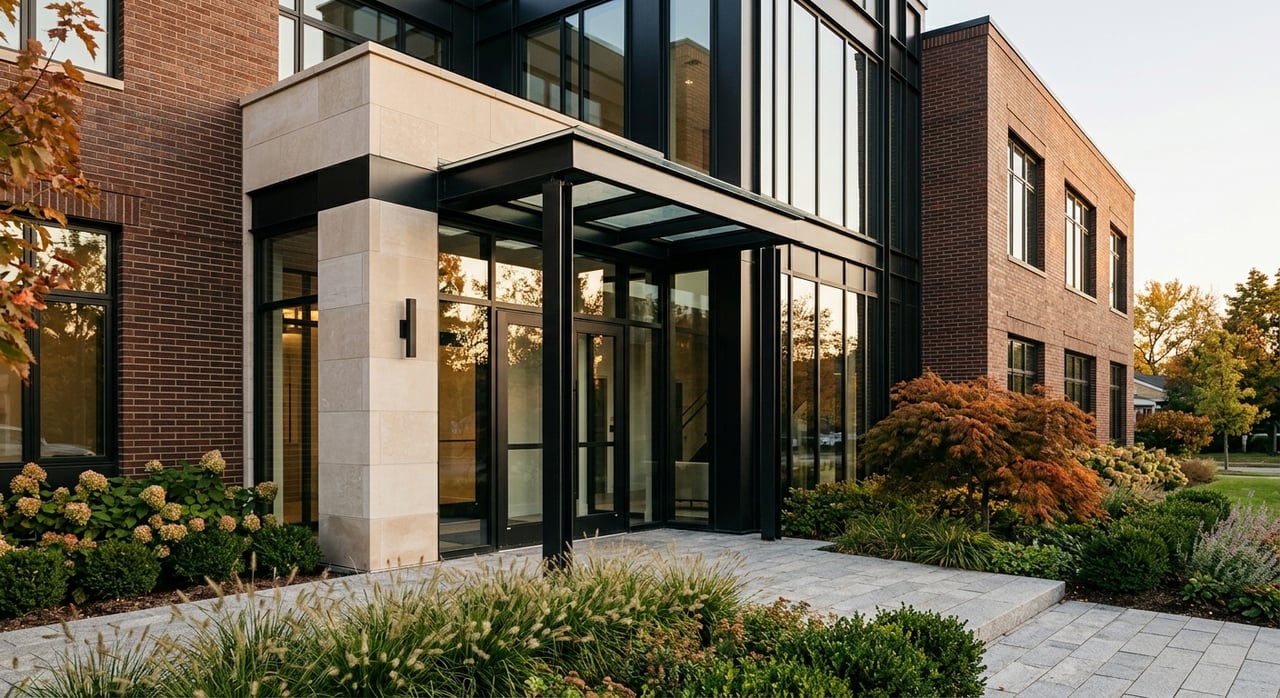
If you own commercial property in Greenwood Village, you already know this is not a simple one-size-fits-all market. A building near the Denver Technological Center can perform very differently from a neighborhood retail asset along an arterial corridor, and small details like access, parking, lease structure, and city review can shape your returns in a big way. This guide will help you understand how Greenwood Village works, what owners should watch closely, and where smart planning matters most. Let’s dive in.
Greenwood Village market basics
Greenwood Village is a compact city with an outsized commercial presence. City materials describe it as just 8.3 square miles, with 15,691 residents, a daytime population of about 38,500, and roughly 2,750 businesses operating in the city. The city also notes a weekday population of about 45,000, which highlights how much local commercial demand is tied to commuters and office users.
That daytime activity matters if you own office, mixed-use, restaurant, or retail space. In many parts of Greenwood Village, your customer base is not limited to nearby households. It also includes employees, visitors, and business travelers moving through the area during the workday.
Access is one of the city’s biggest strengths. Greenwood Village has direct I-25 access, adjacency to I-225, three light-rail stations, rail access from DIA, and proximity to Centennial Airport. For owners, that makes location and connectivity a major part of the value story when you market a property or evaluate tenant demand.
Why underwriting should stay conservative
Even with strong access and a large business base, owners should stay realistic about today’s office environment. In Q2 2025, Transwestern reported a 23.7% direct vacant available rate in Greenwood Village and 19.4% in Southeast Denver. That tells you vacancy is still a meaningful factor, especially for office assets competing for attention.
At the same time, there are signs that quality still wins. Cushman & Wakefield reported that metro Denver office leasing remained soft in Q4 2025, but Class A space accounted for 57.2% of leasing activity, and the market posted 227,600 square feet of positive net absorption. For owners, the takeaway is straightforward: building quality, access, parking, and operating costs matter more than ever.
If you are budgeting for a refinance, sale, or lease-up strategy, it helps to build in room for negotiation. Tenant improvement requests, free rent, and operating expense scrutiny can all affect your net result. In a market like this, disciplined underwriting is not pessimistic. It is practical.
Greenwood Village property clusters
One of the most useful ways to think about Greenwood Village is as a collection of commercial submarkets rather than one unified core. The city’s comprehensive plan identifies office parks and mixed-use centers around the central I-25 corridor, including Greenwood Plaza Town Center, Denver Technological Center, Greenwood Plaza South, and Village Center.
Retail and restaurant uses tend to cluster in different patterns. The city identifies neighborhood-serving centers and corridors such as Cherry Hills Marketplace, Cherry Crest Shopping Center, Holly/Orchard Marketplace, Landmark Entertainment District, Village Plaza Shops, Arapahoe Marketplace, Belleview Square, Arapahoe Road Commercial Corridor, and Clinton Commercial Corridor.
That matters because each area supports a different business case. A professional office property near transit may compete on image and commuter convenience, while a retail asset along a corridor may depend more on frontage, access, signage, and repeat local traffic. Mixed-use properties often perform best when they can capture both daytime employee activity and nearby residential demand.
How to evaluate your location
When you own commercial property in Greenwood Village, location analysis should go beyond a street address. Start with how people reach the site. Because the city’s commercial appeal is closely tied to I-25, I-225, rail service, and airport access, the ease of arrival can be a real advantage for employers, customers, and service users.
Next, look at the property through the lens of its likely tenant base. Office users often care most about access, parking, image, and expense predictability. Retail and restaurant users usually focus on visibility, access points, signage, and whether the site fits their day-to-day customer flow.
It also helps to evaluate a property in context with its corridor. A mixed-use asset in a stronger daytime employment zone may rely on weekday traffic more than evening traffic. A neighborhood-serving retail property may be steadier when it meets recurring local needs rather than relying on destination visits.
City review and zoning matter early
In Greenwood Village, city process is part of ownership strategy, not just a box to check later. The city’s Planning Department administers commercial, industrial, and mixed-use development and reviews site and development plans. The Planning & Zoning Commission also reviews development proposals and sign programs.
That means owners should confirm parcel-level rules before assuming a new use, renovation, or repositioning plan will move quickly. The city uses its Land Development Code to regulate zoning and land use, and it offers zoning verification letters through its online portal. If you are buying, selling, or preparing for lease negotiations, verifying permitted use and development conditions early can save time and money.
Code compliance also deserves attention. Greenwood Village’s code enforcement team monitors commercial districts for compliance with zoning, signage, landscaping, noise, outdoor storage, snow removal, and other property-maintenance standards. For owners, ongoing compliance is part of protecting value and reducing avoidable friction.
Special review areas to watch
Some Greenwood Village properties come with an added layer of review. If your parcel is in the Denver Technological Center or Greenwood Plaza South, the city says you must submit a letter of approval from the DTC Architectural Control Committee before a building permit can be issued.
That requirement can affect renovation timelines, tenant improvements, and redevelopment plans. If you are negotiating with a new tenant or planning capital work, it is smart to account for that review process up front. Delays are easier to manage when they are built into the schedule from day one.
Owners should also know that separate right-of-way permits are required for work such as utility connections, curb cuts, or other activity in the public right-of-way. If your project touches site access or utilities, those approvals should be part of your early planning checklist.
Lease structures owners should understand
Lease structure can have just as much impact on performance as location. In commercial real estate, the labels gross, net, and modified gross are common, but they do not all shift costs the same way.
In a gross lease, the tenant typically pays a fixed rent, while the landlord generally covers expenses such as maintenance, taxes, and similar operating costs through that rent structure. In a net lease, the tenant pays base rent plus some or all operating and maintenance expenses, which can include property taxes, insurance, utilities, and common area maintenance.
A modified gross lease falls somewhere in between. Cost allocation is negotiated, which means two leases with the same label can still produce very different economics. For owners, that is why lease review should go beyond the headline rent number.
Key lease terms to review carefully
If you own or market a commercial property in Greenwood Village, these are some of the most important lease items to review:
- What is included in base rent
- Whether CAM is passed through
- Responsibility for utilities
- Janitorial obligations
- HVAC costs and after-hours use charges
- Property tax pass-throughs
- Insurance obligations
- Renewal options
- Parking rights
- Signage rights
- Tenant improvement allowances
- Exclusive-use provisions
For retail settings, pay special attention to percentage-rent language and merchant-association fees when they apply. These details can materially affect your income and the tenant’s long-term satisfaction with the space.
Modified gross leases also often use a base-year or expense-stop structure. That is one reason owners should not assume that similar rent quotes mean similar net results. A careful lease analysis is often where the real deal economics become clear.
Permit timing can affect your deal
If you are planning a tenant finish, renovation, or repositioning project, permit timing deserves attention early in the process. Greenwood Village requires commercial building permit submissions to include stamped drawings, evidence of submittal to South Metro Fire Rescue, and other construction documents.
That may not sound unusual, but timing can become critical when a lease start date, lender deadline, or sale closing depends on construction progress. Owners who treat permitting as an early workstream usually make better decisions around scheduling, contractor coordination, and tenant expectations.
If the property is in DTC or Greenwood Plaza South, the added architectural approval requirement should be folded into the same timeline. This is especially important if you are using improvements or delivery timing as part of a lease negotiation.
A practical owner checklist
Whether you are holding, leasing, repositioning, or preparing to sell, a strong Greenwood Village ownership plan usually includes a few core steps:
- Review the property within its specific submarket, not just the city as a whole.
- Confirm access advantages such as proximity to I-25, I-225, rail stations, and parking.
- Verify zoning, permitted use, and sign requirements early.
- Check whether DTC or Greenwood Plaza South review rules apply.
- Model lease economics based on actual expense allocation, not lease labels alone.
- Build permit timing into any renovation or tenant-delivery schedule.
- Keep an eye on appearance, maintenance, and code compliance to protect value.
In Greenwood Village, the strongest commercial assets usually align location, lease structure, and tenant mix with the corridor they sit in. That is true whether you own office, retail, or mixed-use property.
What this means for owners today
Greenwood Village remains one of the Denver area’s most important business locations, but ownership decisions need to be precise. The city offers strong regional access, a large daytime population, and established commercial nodes, yet the office market still calls for careful underwriting and clear positioning.
If you own property here, the path to better outcomes is often less about broad market optimism and more about execution. The details matter: expense structure, parking, signage, permit timing, tenant fit, and city review. When you get those pieces right, you put your property in a stronger position to compete.
If you are weighing a sale, evaluating leasing strategy, or trying to understand what your Greenwood Village commercial property is worth in today’s market, The Denver Group can help you think it through with clear, practical guidance.
FAQs
What makes Greenwood Village important for commercial property owners?
- Greenwood Village has a large commercial footprint for its size, with about 2,750 businesses, strong regional access, three light-rail stations, and a large daytime population that supports office, retail, and mixed-use demand.
What should Greenwood Village office owners watch in the current market?
- Office owners should watch vacancy, building quality, parking, access, and operating expenses closely, since Greenwood Village posted a 23.7% direct vacant available rate in Q2 2025 and tenants are paying close attention to value.
What commercial areas are most active in Greenwood Village?
- Key office and mixed-use areas include the Denver Technological Center, Greenwood Plaza Town Center, Greenwood Plaza South, and Village Center, while retail clusters include places like Belleview Square, Landmark Entertainment District, and the Arapahoe Road Commercial Corridor.
What lease structure is common for Greenwood Village commercial property?
- Greenwood Village commercial properties may use gross, net, or modified gross leases, and owners should review exactly which costs are included or passed through because the same lease label can still mean different economics.
What permits should Greenwood Village commercial owners plan for?
- Owners should plan early for commercial building permit requirements, possible South Metro Fire Rescue review, right-of-way permits for certain site work, and DTC Architectural Control Committee approval if the parcel is in DTC or Greenwood Plaza South.
What local factors should Greenwood Village retail owners evaluate?
- Retail owners should evaluate frontage, access, signage, corridor placement, and how well the property captures daytime workers or nearby recurring customer traffic depending on its location.