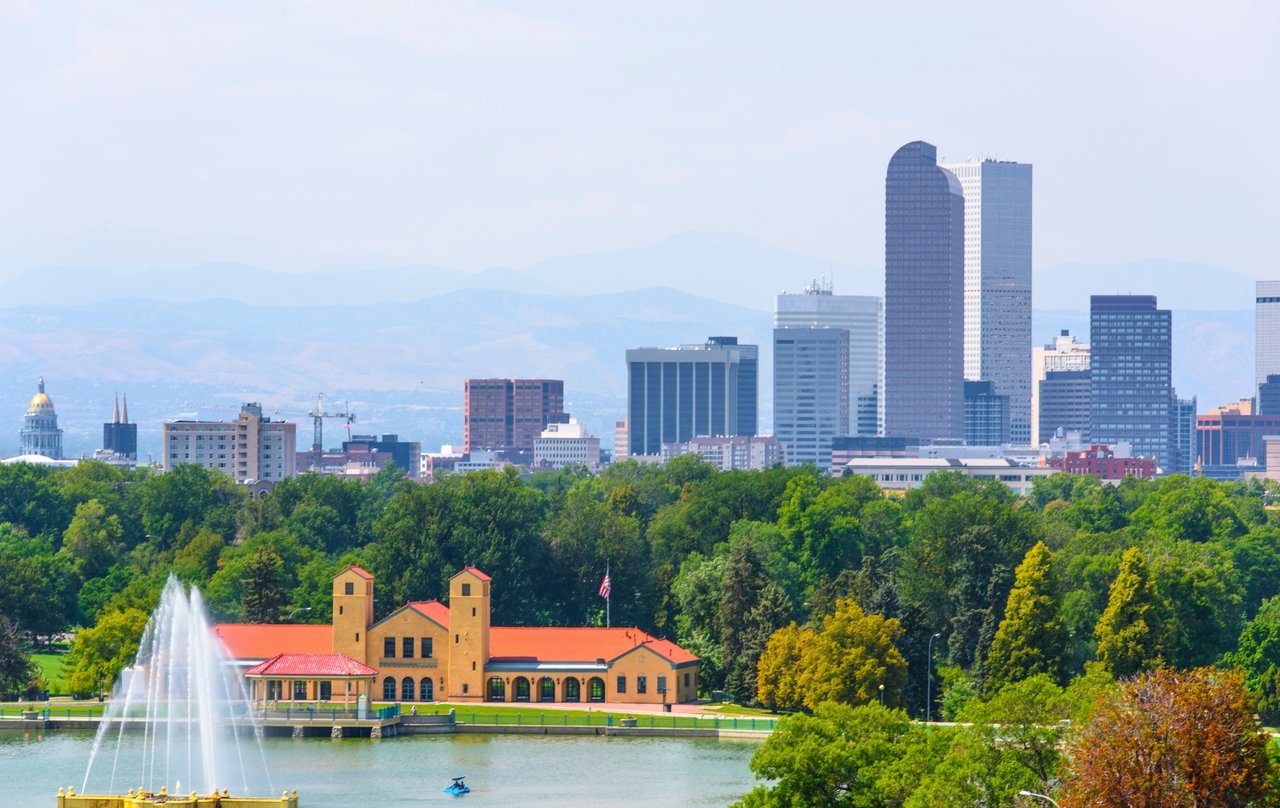
Denver is going through something. If you've lived here a while, you feel it. If you're thinking about moving here, you need to understand it before you decide where to land.
This isn't about nostalgia — it's not a piece about what Denver used to be. It's about what Denver is actually trying to become, and honestly, whether it's pulling it off.
The Pitch Denver Is Selling
Denver has been playing big city for a while now, and to be fair, it's got the résumé: a legitimate light rail system, three major sports teams, an airport that punches way above its weight, and a downtown restaurant and art scene that holds its own against major metros. Cherry Creek, RiNo, Union Station — these aren't accidents. They're the result of deliberate, sustained investment in a specific city identity.
The version of Denver being pitched is cosmopolitan but outdoorsy, sophisticated but accessible — a place where you can catch a Nuggets game Friday, hike a 14er Saturday, and close a tech deal Monday.
That pitch has worked. Denver's population growth over the last 15 years has been one of the fastest in the country.
Where the Growth Created Real Pressure
Here's where it gets interesting — and honest. The growth Denver attracted also created real pressure points the city is still working through.
Homelessness and public safety in the urban core. This is the issue that gets the most local airtime. Downtown Denver and the neighborhoods around the 16th Street Mall have visible, concentrated homelessness. The city has tried sweeps, sanctioned encampments, and service expansion — none of it has fully resolved the problem, and it shapes how people experience the downtown core. Worth knowing if you're evaluating urban neighborhoods.
Affordability. Denver's median home price is well above the national average. The growth that made Denver desirable also made it expensive. The middle-class buyer who would've looked at Wash Park or Cap Hill ten years ago is now looking at Highlands Ranch or Parker. That's not a small shift — it changes the composition of neighborhoods over time.
Infrastructure lag. Population grew faster than the infrastructure supporting it. Traffic on I-25 and C-470, water pressures as the state manages long-term drought concerns, and school overcrowding in high-growth suburban corridors. The city and region are catching up, but there's a gap.
Where Denver Is Getting It Right
Here's the flip side, and it matters just as much as the friction — Denver is genuinely delivering on its vision in meaningful pockets, and those pockets matter a lot for where you decide to live.
- RiNo has become one of the most legitimately cool urban neighborhoods in the country, full stop — not just "for Denver." Independent food and drink, gallery culture, adaptive reuse development, walkability. It's what Denver looks like when the vision lands.
- Transit investment is real. The A-Line to the airport, the W-Line, the light rail expansions — Denver has more functional commuter rail than most comparably sized American cities. It's not New York or Chicago scale, but for a 2 million-person metro, it's legitimate.
- Outdoor access is a feature, not a marketing line. You're 45 minutes from world-class skiing, mountain biking, hiking, and climbing, and you can fish gold medal streams within an hour. That's a logistical fact that changes how people actually live here.
- The tech and business ecosystem is real. Major employers have opened offices here. Denver has become a legitimate secondary hub for companies wanting Mountain Time Zone talent — and that's not slowing down.
So, Is Denver Pulling It Off?
My honest answer: yes, but unevenly. And that unevenness is the most important thing for anyone moving to this market to understand.
Land in the right part of the city — RiNo, LoHi, Sloan's Lake, parts of Cap Hill — and you get the full version of what Denver is trying to be: walkable, vibrant, connected, with the mountains out your window.
Land in the wrong part of the urban core — blocks where the investment hasn't arrived yet, near areas with persistent homelessness issues — and you get a very different experience.
And if the city version doesn't fit your budget or lifestyle, the metro suburbs — Highlands Ranch, Parker, Lone Tree, Castle Rock, Littleton — have built their own version of the Denver promise: great schools, newer infrastructure, access to open space, and commute distances that actually work.
Denver isn't one thing. Knowing which version of Denver you're buying into matters more than almost any other decision in this market.
Next up: a deep dive into Denver's city neighborhoods — which ones are delivering on the vision, which ones are undervalued, and which ones I'd tell my own clients to look twice at.
I'm Jason, team lead with The Denver Group. We want to be your resource and guide for all things Denver real estate — reach out anytime if you have questions.
Published by The Denver Deal | thedenverdeal.com | Real estate coverage by The Denver Group | denvergroupre.com