If you want a Denver neighborhood that feels connected, walkable, and full of local character, Platt Park deserves a close look. This is the kind of place where a historic main street, neighborhood amenities, and transit access all shape daily life in a very tangible way. Whether you are thinking about buying, selling, or simply getting to know the area, understanding what makes Platt Park distinct can help you make a smarter move. Let’s dive in.
Why Platt Park Stands Out
Platt Park is an inner-south Denver neighborhood bounded by Broadway, Downing, I-25, and Evans, according to the Platt Park People’s Association. The organization says it serves nearly 3,000 homes and businesses, which gives you a sense of the neighborhood’s established footprint and active local identity.
In Denver’s planning language, Platt Park sits within the city’s “Urban Places” context. That means it is largely residential, with low- and mid-scale mixed-use corridors and smaller local centers woven into the neighborhood. South Pearl Street is even used by the city as a local example of a neighborhood main street, which says a lot about how this area functions day to day.
A Streetcar-Era Neighborhood
Platt Park’s history helps explain why it feels different from many newer parts of Denver. Its roots tie back to the former City of South Denver, and the area still carries that older, layered sense of place.
One notable landmark is the Fleming Mansion, built in 1882 as the home of Mayor James Fleming. According to Denver’s historical information, the building later served as South Denver’s city hall, then took on other civic uses after annexation to Denver in 1894, including a jail, library, clubhouse, and recreation center.
South Pearl Street also has deep local roots. The corridor’s commercial identity grew after trolley service extended there in 1893, followed by an early-1900s retail and service boom. That history still shows up today in the way the street operates as a compact, people-oriented commercial corridor rather than a large, auto-focused strip.
South Pearl Street Sets the Tone
If Platt Park has a social center, it is South Pearl Street. This corridor gives the neighborhood much of its energy, with a collection of independent restaurants, coffee shops, boutiques, and wellness businesses in a walkable setting.
That local business mix matters because it shapes how the neighborhood feels on an ordinary day, not just during major events. You are not looking at a place built around one destination. You are looking at a main street that supports everyday routines, from grabbing coffee to meeting friends to browsing local shops.
Seasonal events add even more life to the area. South Pearl Street hosts recurring community events such as Final Friday, Pride on South Pearl, Oktoberfest, Winterfest, and the Fairy Doors installation, all of which reinforce the “village in the city” identity.
The South Pearl Street Farmers Market is one of the biggest draws. The market’s 2026 season runs every Sunday from May 3 through November 8 from 9 a.m. to 1 p.m. on the 1400 and 1500 blocks, with more than 170 local vendors and live music. For many residents, that kind of recurring neighborhood event becomes part of the weekly rhythm.
Homes in Platt Park
Platt Park’s housing stock reflects both its age and its continued popularity. The neighborhood is best understood as an older Denver area with a strong historic base and a visible layer of new construction.
Denver’s accessory dwelling unit guidance notes that historic carriage homes still exist in older neighborhoods like Platt Park. At the same time, preservation efforts in Old South Pearl have focused on helping future development respect the streetcar-era character that residents value.
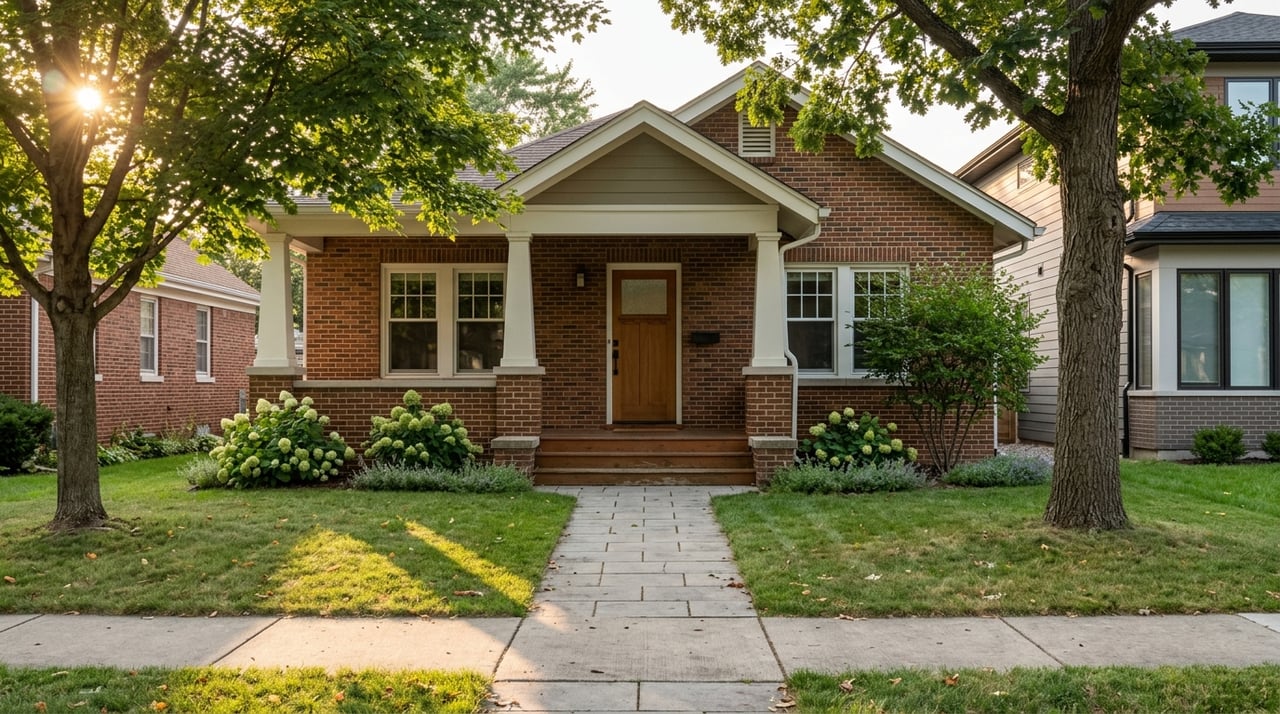
That context is important if you are house hunting here. You may see older homes, bungalows, and historic elements alongside newer infill, condos, and apartment development. In other words, Platt Park is not frozen in time, but it also has not lost the architectural character that gives it a strong sense of place.
What Buyers Should Know
If you are considering buying in Platt Park, the neighborhood offers a few clear advantages. The combination of walkability, local business access, transit options, and established housing stock creates a lifestyle many buyers actively seek.
It can also appeal to different types of buyers. Some are drawn to older homes with original details, while others prefer updated or newer properties that still place them near South Pearl Street and neighborhood amenities.
In the broader Denver metro market, REcolorado’s April 2026 infographic showed a median closed price of $600,000 and two weeks of inventory. DMAR described the April 2026 market as stable and balanced rather than overheated. In that setting, Platt Park stands out as an established inner-south neighborhood where location and lifestyle continue to support buyer interest.
A few things to keep in mind as you search:
- Inventory and property style can vary a lot from block to block.
- Older homes may offer charm and location, but condition and updates can differ widely.
- Newer infill may offer more modern layouts and finishes, but the look and lot use may differ from surrounding homes.
- Proximity to South Pearl Street, the recreation center, and transit can shape both lifestyle and pricing.
What Sellers Should Know
If you own a home in Platt Park, your property may benefit from the neighborhood’s strong identity. Buyers often respond to areas that have a clear sense of place, and Platt Park has that in a way that is easy to understand: historic roots, a true main street, neighborhood amenities, and convenient transit access.
That does not mean every home should be marketed the same way. In a neighborhood with both preserved older homes and newer infill, presentation matters. Buyers need help understanding not just the home itself, but how it fits into the broader Platt Park story.
For sellers, that often means focusing on:
- The home’s relationship to South Pearl Street and neighborhood amenities
- Architectural character or meaningful updates
- Walkability and access to local services
- Recreation and transit convenience
- Clear positioning within current market conditions
A thoughtful pricing and marketing strategy is especially important in neighborhoods where buyers may be comparing very different property types. A bungalow, a newer single-family infill home, and a condo can all attract interest in Platt Park, but each needs the right story and audience.
Parks and Recreation
Platt Park’s appeal is not limited to homes and shops. Neighborhood-scale public amenities also help support day-to-day livability.
The Platt Park Recreation Center, located at 1500 S. Grant St., offers features including a craft room, lounge, full kitchen, multipurpose room, and art room. Denver also notes low-stress bike-route access to the facility, which fits the neighborhood’s connected, local feel.
The city’s 2025 Vibrant Denver Bond includes a $1 million proposal for a Platt Park playground replacement. That kind of planned public investment signals continued attention to neighborhood infrastructure and shared spaces.
Getting Around Platt Park
Mobility is a real part of the Platt Park lifestyle. If you value the ability to move around without relying entirely on a car, this neighborhood offers options.
RTD’s Louisiana/Pearl Station is located at 755 E. Louisiana Ave. and serves the E and H rail lines along with bus routes 11 and 12. RTD notes that the station does not have parking, which reinforces the fact that it functions more as a neighborhood-access station than a large park-and-ride stop.
The area has also seen corridor improvements that support a more comfortable pedestrian and bike experience. Denver DOTI’s Louisiana and South Pearl Street project added crosswalk striping, ADA ramps, and shared bike lanes. That helps explain why the area often feels more walkable and bikeable than car-dependent.
The Village-in-the-City Feel
Platt Park is often described as a village in the city, and the phrase fits for a reason. You have a neighborhood with streetcar-era roots, a recognizable main street, local events, civic spaces, and transit access, all within Denver.
That combination can be hard to find. Some neighborhoods offer historic homes but less day-to-day convenience. Others offer access and density but not the same neighborhood identity. Platt Park sits in a middle ground that many buyers and homeowners find especially appealing.
For you, the biggest question is not whether Platt Park is popular. It is whether its blend of character, access, and housing types matches the way you want to live or the way you want to position your home for sale.
If you are weighing a move in or out of Platt Park, working with a team that understands Denver at the neighborhood level can make the process much clearer. To talk through buying, selling, or investing in Platt Park and nearby Denver neighborhoods, connect with The Denver Group.
FAQs
What is Platt Park known for in Denver?
- Platt Park is known for its streetcar-era roots, South Pearl Street main street, local events, neighborhood amenities, and access to transit in inner-south Denver.
What kind of homes are in Platt Park?
- Platt Park includes a mix of older homes, bungalows, historic housing elements, carriage homes, newer infill, condos, and apartments.
What makes South Pearl Street important in Platt Park?
- South Pearl Street is the neighborhood’s main commercial corridor, with independent businesses, community events, and the seasonal farmers market that help shape daily life in Platt Park.
Is Platt Park walkable and transit-friendly?
- Platt Park offers a walkable main street environment, bike-friendly corridor improvements, and access to RTD rail and bus service through Louisiana/Pearl Station.
What should buyers consider about living in Platt Park?
- Buyers should look at housing type, home condition, proximity to South Pearl Street and transit, and how the neighborhood’s historic character and newer development fit their goals.