If you want a Boulder County city that feels connected, practical, and full of everyday charm, Louisville deserves a closer look. You may be comparing suburbs based on commute times, housing choices, or lifestyle, and it can be hard to find a place that balances all three. Louisville stands out for its historic downtown, extensive trail network, and a housing mix that is slowly expanding with the city’s growth plans. Let’s dive in.
Why Louisville Stands Out
Louisville is a compact city of about 7 square miles in Boulder County, with 20,867 residents and 8,582 households. The city also reports 13,980 local employees, which reflects a strong business presence alongside its residential areas. Even with that economic activity, Louisville continues to describe itself as a place with a strong sense of community and small-town ambiance.
That balance is a big part of the appeal. You get a city that feels established and active, but still easy to navigate. For many buyers, that combination can be hard to find in the Boulder area.
Old Town Shapes Louisville’s Identity
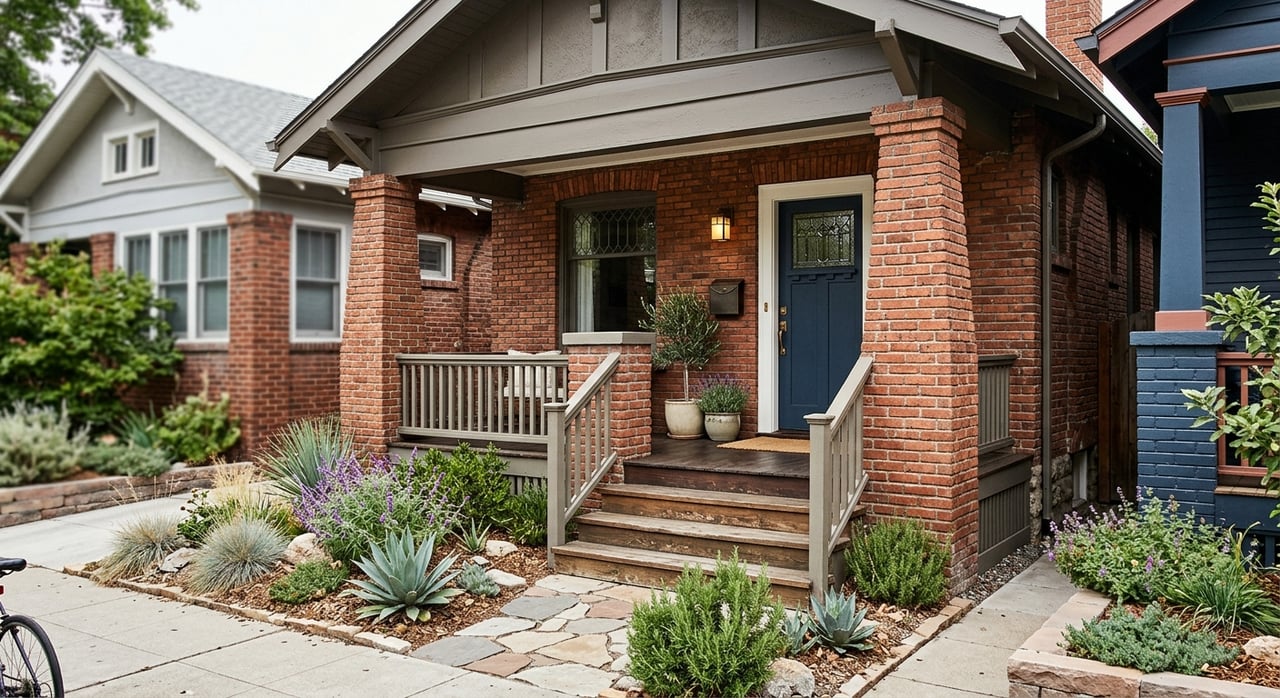
One of Louisville’s defining features is its downtown core and the surrounding Old Town neighborhood. The city treats downtown as a special asset to be preserved, protected, and enhanced, and Old Town is described as a historic residential neighborhood with diverse architecture and a distinct local character.
Louisville’s roots go back to its founding as a mining town in 1878. Today, the city’s historic-preservation program recognizes more than 69 local landmarks, which helps explain why the area feels different from newer suburban communities nearby.
The Louisville Historical Museum adds to that sense of place. Its exhibits include coal-mining history, the Jacoe Store, a replica of early downtown Louisville in the Jordinelli House, and walking tours focused on historic buildings and downtown history.
Downtown Louisville Lifestyle
If you are looking for a city with a lively center, Louisville offers more than a traditional main street. Downtown is part of how residents experience the city year-round, with regular events and gathering spaces that keep the area active.
The city highlights Louisville as a place known for small-town charm and community events. That calendar includes Friday-night Street Faire, Saturday morning Farmers Markets, Summer Concerts in the Park, Independence Day celebrations, the region’s only Labor Day Parade, and winter Old Town Skate in Historic Downtown.
Community Events Create Energy
Steinbaugh Pavilion plays a major role in downtown activity. It hosts Street Faire concerts, the Farmers Market, and Old Town Skate, giving the area a central space for community events throughout the year.
Louisville is also planning ahead. The city’s Front & Center project is being designed to keep those downtown events active during future improvements, which signals a long-term commitment to preserving downtown as a social and civic hub.
For buyers, that matters because it shows how Louisville invests in the spaces people use every week, not just the roads they drive on. It is one more reason the city often feels more connected and walkable than a typical commuter suburb.
Trails And Open Space Matter Here
Louisville’s trail system is one of its strongest lifestyle advantages. The city says it has about 32 miles of trails, and those routes connect neighborhoods, parks, recreation facilities, and open space.
That kind of connectivity can shape your daily routine in a real way. Instead of treating trails as a bonus feature, Louisville uses them as part of how the city functions.
Outdoor Access Is Built In
Louisville’s open-space program says the city owns an interest in 1,800 acres of open space. That helps support a setting where outdoor access is part of everyday life, whether you are heading out for a walk, bike ride, or a longer regional route.
The city points residents to regional resources like the Coal Creek Trail, Boulder County trail maps, the Boulder County Trails app, and the US 36 Interactive Bike Map. For anyone who values movement, access, and time outside, that trail network is a meaningful part of Louisville’s appeal.
Commuting From Louisville
Louisville is well positioned for people who need regular access to Boulder or Denver. The city sits on the US 36 corridor and places itself about 15 minutes from Boulder, 25 minutes from downtown Denver, and 35 minutes from Denver International Airport via Northwest Parkway.
That location gives Louisville a practical edge for buyers who want more than one work or travel option. It can support commuting patterns that move north, south, or regionally.
Transit And Bike Connections
The city points residents to RTD service on the US 36 corridor, including the AB route to Denver. Louisville also offers FlexRide service, along with Bike-n-Ride shelters near US-36 and McCaslin.
The McCaslin Bike-n-Ride Shelter is designed to support longer trips by connecting local cycling with regional transit. If you are trying to reduce drive time, add flexibility, or mix bike and transit options into your week, Louisville has infrastructure that supports that goal.
Louisville Housing Options
Housing is one of the most important parts of Louisville’s story right now. The city adopted a Housing Plan in May 2024 after concluding that housing costs had outpaced incomes, and its updated Comprehensive Plan, adopted March 24, 2026, makes housing part of a broader 20-year framework that also includes transportation, economic vitality, infrastructure, and preservation.
For buyers and owners, that means Louisville is not standing still. The city is actively planning for how it grows while trying to preserve the character that already draws people there.
Older Homes And Historic Character
Old Town remains the clearest example of Louisville’s older housing stock. The city describes it as a historic residential neighborhood with diverse architecture, and preservation tools like the Old Town Overlay are designed to protect historic character.
If you are drawn to homes with established streetscapes and architectural variety, this part of Louisville may stand out. It offers a different feel from newer subdivisions and helps explain why Louisville’s housing conversation is not just about inventory, but also about identity.
Broader Housing Choices
Louisville is also expanding the range of housing options in established areas. The city now allows accessory dwelling units on all single-family lots, including zone districts that allow rowhomes and townhomes.
That change can matter in several ways. It opens the door to more flexible property use and adds another layer to how homeowners and buyers think about long-term options.
New Development In The Pipeline
Current planning documents show several projects that could broaden Louisville’s housing mix over time. These include Steel Ranch with about 175 to 205 dwelling units, Centennial Valley Affordable Housing as a multifamily residential concept plan, Coal Creek Village with 186 dwelling units and 13,500 square feet of commercial space, and DELO Boom, a 140-unit mixed-use project.
Taken together, these projects suggest incremental, corridor-based growth rather than a complete shift in the city’s scale. That is an important distinction if you are looking for a place that can evolve without losing the qualities that make it attractive in the first place.
Who Louisville May Fit Best
Louisville can appeal to several types of buyers because it combines character, access, and variety. If you want a downtown that feels active and established, trails you can use regularly, and a location that supports commuting to Boulder or Denver, Louisville checks a lot of boxes.
It may also appeal to buyers who want a mix of old and new housing possibilities. Historic homes, single-family neighborhoods with ADU flexibility, and newer mixed-use or multifamily options all contribute to a broader housing picture than you might expect from a smaller city.
For investors or buyers thinking long term, Louisville’s planning activity is worth watching. The city’s housing and development efforts show measured change, not rapid reinvention, which can be useful context when evaluating the area.
If you are considering a move in Boulder County or the broader Denver metro, Louisville is worth seeing in person. Its downtown character, trail access, commuter convenience, and evolving housing options make it one of the more balanced communities in the region. If you want thoughtful guidance as you compare neighborhoods and property types, The Denver Group is here to help.
FAQs
What makes Louisville, Colorado different from other Boulder County suburbs?
- Louisville stands out for its historic downtown, Old Town neighborhood, regular community events, about 32 miles of trails, and a compact layout tied closely to its walkable core.
Is Louisville, Colorado good for commuting to Boulder or Denver?
- Louisville sits on the US 36 corridor and is about 15 minutes from Boulder and 25 minutes from downtown Denver, with RTD service, FlexRide, and Bike-n-Ride connections supporting regional travel.
What types of homes can you find in Louisville, Colorado?
- Louisville includes older homes in Old Town, single-family properties where accessory dwelling units are allowed, and a development pipeline that includes multifamily and mixed-use housing.
Is Louisville, Colorado still growing and changing?
- Yes. Louisville adopted a Housing Plan in 2024 and an updated Comprehensive Plan in 2026, and current development proposals show a gradual expansion of housing options.
Does Louisville, Colorado have good trail access?
- Yes. The city says it has about 32 miles of trails connecting neighborhoods, parks, recreation facilities, and open space, along with access to regional trail resources like Coal Creek Trail.