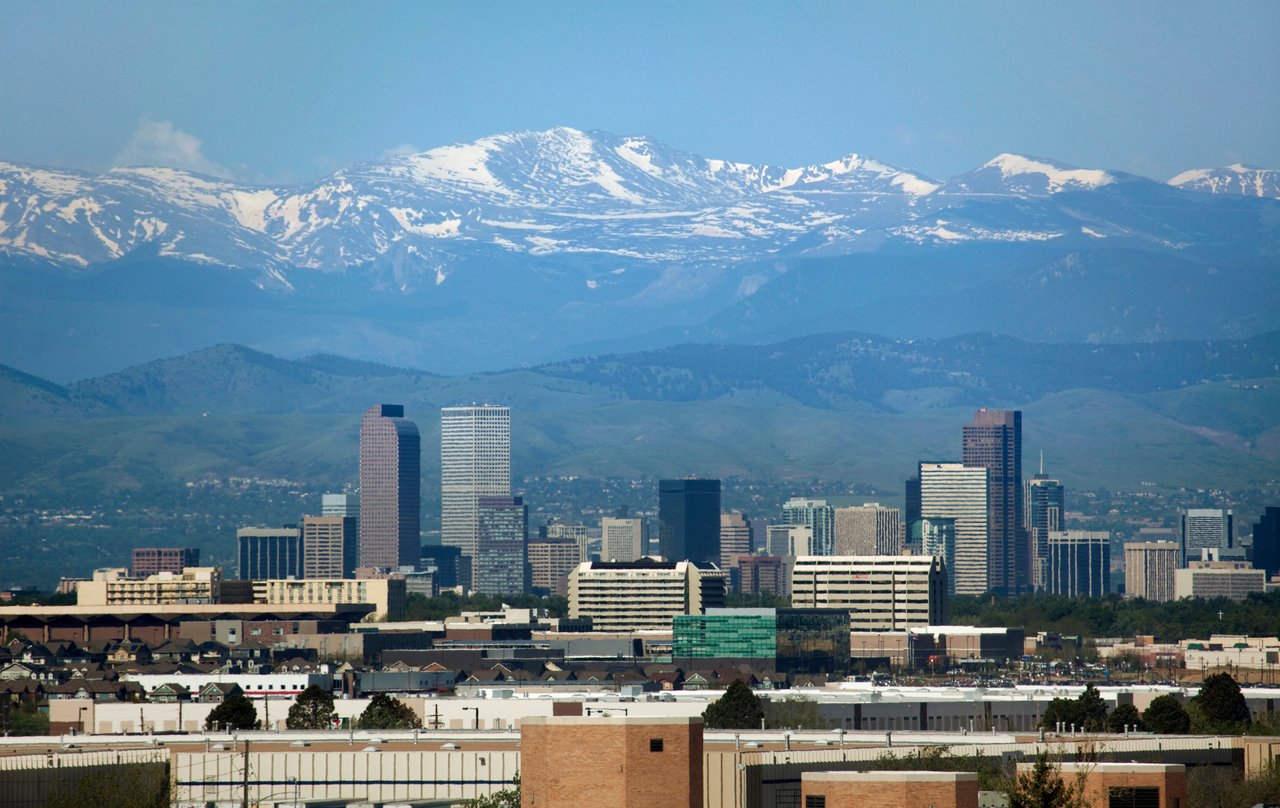
Denver isn't the same city it was five years ago, and it won't be the same city five years from now. After a four-part series digging into Denver's downtown recovery, neighborhood-by-neighborhood investment, and civic vision, one question remains: where is this city actually heading, and what does that mean if you're buying real estate here?
Four forces will define Denver's next decade — population growth, water, affordability, and infrastructure. Understanding all four is the difference between guessing where to buy and knowing.
1. Population Growth: Two Chapters, One City
The Colorado Connector is a proposed intercity passenger rail line running roughly 190 miles along the Front Range, linking 12 communities from Fort Collins in the north to Pueblo in the south, with a longer-term vision of reaching Cheyenne, Wyoming and New Mexico.
Colorado's population is projected to grow by roughly 1.5 million people by 2050, and the Denver metro will absorb the majority of that growth. The real question isn't whether people are coming — it's where they'll land.
That growth splits into two chapters:
- The urban core — Denver's recovering neighborhoods (RiNo, LoHi, Baker, Uptown, Golden Triangle, Capitol Hill, and LoDo) are already compounding in desirability as residential conversions and downtown investment land.
- The suburban corridor — The I-25 South corridor (Highlands Ranch, Parker, Castle Rock, Monument) and the northern Colorado suburbs will absorb a large share of incoming residents, particularly in communities that have already invested in infrastructure, schools, and open space.
What this means for buyers: structural supply constraints — Colorado's terrain limits where you can build — combined with sustained inbound migration mean Denver isn't heading toward a 2015-style price correction. Demand isn't the risk in this market. The other three forces are.
2. Water: The Story Nobody's Talking About (But Should Be)
Colorado is the headwater state for seven river basins supplying water to 40 million people across the American West, and the Colorado River — which Denver depends on alongside Los Angeles, Phoenix, Las Vegas, and Salt Lake City — has been in long-term decline. Lake Mead and Lake Powell have spent recent years at historically low levels, and the 1922 Colorado River Compact is under renegotiation because it assumed more water than the river actually carries in most years.
Denver Water is relatively well-positioned compared to downstream states — Colorado holds senior water rights, and the city has invested proactively in storage and conservation. But the long-term pressure is real.
What this means for buyers: pay attention to where water infrastructure is strong versus stretched. Suburban sprawl corridors still being built out on the eastern plains carry more water risk than established urban neighborhoods with mature infrastructure.
3. Affordability: The Floor Isn't Dropping — But the Map Is Shifting
Denver's median home price sits well above the national average, the result of more than a decade of demand outpacing supply in a geographically constrained market. The pandemic accelerated it by pulling in remote workers with coastal incomes; the 2022–2023 rate hikes cooled transaction volume but didn't meaningfully correct prices, since sellers pulled inventory rather than dropping it.
The honest read: Denver doesn't get cheaper in any structural sense. Terrain constraints, continued migration, and established desirability keep the price floor elevated.
What can shift is relative affordability across the metro:
- Suburban corridors like Parker, Castle Rock, Brighton, and Commerce City offer more square footage per dollar than the urban core.
- Within the urban core, neighborhoods still in the "promising, not yet arrived" tier represent the closest thing left to relative value in the city itself.
What this means for buyers: stop waiting for a correction that structural economics says isn't coming. Get precise about where your dollar goes furthest for your specific situation instead.
4. Infrastructure: Good Transit, Strained Roads
Denver has better transit infrastructure than most people give it credit for — and worse road infrastructure than its growth rate demands.
- The light rail and commuter rail network (A-Line, W-Line, downtown light rail loop) is a real, well-used system.
- DRCOG, the regional planning body, is actively shifting investment away from road expansion and toward transit, bike, and pedestrian infrastructure, with five bus rapid transit corridors targeted for completion by 2030.
- Meanwhile, I-25 South and the C-470 corridor remain strained, and growth corridors like Castle Rock, Monument, and Brighton are adding population faster than road capacity can expand. DRCOG projects total vehicle miles traveled in the region will rise 40% by 2050, and road widening alone won't prevent significant congestion without transit absorbing a meaningful share of trips.
What this means for buyers: commute calculus matters more than ever. Buying in the urban core near light rail means your transportation picture improves as the network expands. Buying in a suburban growth corridor means factoring real road congestion into your lifestyle math.
Neighborhoods investing in walkability and transit connectivity today will look smarter in ten years.
FAQ: Denver Real Estate Outlook
Is Denver real estate going to crash or correct? No. Structural supply constraints from Colorado's terrain, combined with sustained population inflow, mean most economists don't expect a meaningful price correction. Denver's affordability floor is expected to stay elevated rather than drop.
Is Denver's water supply a real risk for homebuyers? It's a long-term regional risk tied to the declining Colorado River system, not an immediate crisis for most established Denver neighborhoods. Denver Water holds senior rights and has invested in infrastructure, but buyers should weigh water infrastructure maturity when considering newer suburban developments on the eastern plains.
Where is Denver's population growth headed next? Growth is splitting between the recovering urban core (RiNo, LoHi, Baker, and similar neighborhoods) and the I-25 South suburban corridor (Highlands Ranch, Parker, Castle Rock, Monument), along with northern Colorado.
Which Denver neighborhoods offer the best relative value right now? Within the urban core, neighborhoods still in the "promising, not yet arrived" tier offer the closest thing to relative value left in the city. In the suburbs, corridors like Parker, Castle Rock, Brighton, and Commerce City offer more space per dollar.
How does Denver's transit system affect where I should buy? Properties near light rail lines (A-Line, W-Line, downtown loop) benefit as the transit network expands, while suburban growth corridors face real, worsening road congestion that should factor into any purchase decision.
The Bottom Line
Denver is a city in motion — genuinely fluid, with real structural challenges around water, affordability, and infrastructure, but with a forward trajectory backed by real investment and real population growth. The buyers who do best over the next decade will be the ones who understand exactly which version of Denver they're buying into: city or suburb, recovering neighborhood or already-arrived one, transit-connected or car-dependent.
Thinking through where in Denver makes sense for your situation? Book a call with The Denver Group — we're here to help you figure it out.
This is part of an ongoing series digging deeper into each of these four forces — dedicated deep dives on Denver's growth corridors, water crisis, affordability, and infrastructure are coming soon.
Published by The Denver Deal | thedenverdeal.com | Real estate coverage by The Denver Group | denvergroupre.com